
The workshop · Camaret-sur-Aigues, Vaucluse
Old woods, a stone, a voice
I’ve been making Native American style flutes since 2021, and since May 2023 in my workshop in Camaret-sur-Aigues, 10 minutes from Orange. Each flute is born from carefully chosen wood, reclaimed or bought, as much for its beauty as for its sound: its density, its grain and the way it vibrates give each flute its voice and personality.
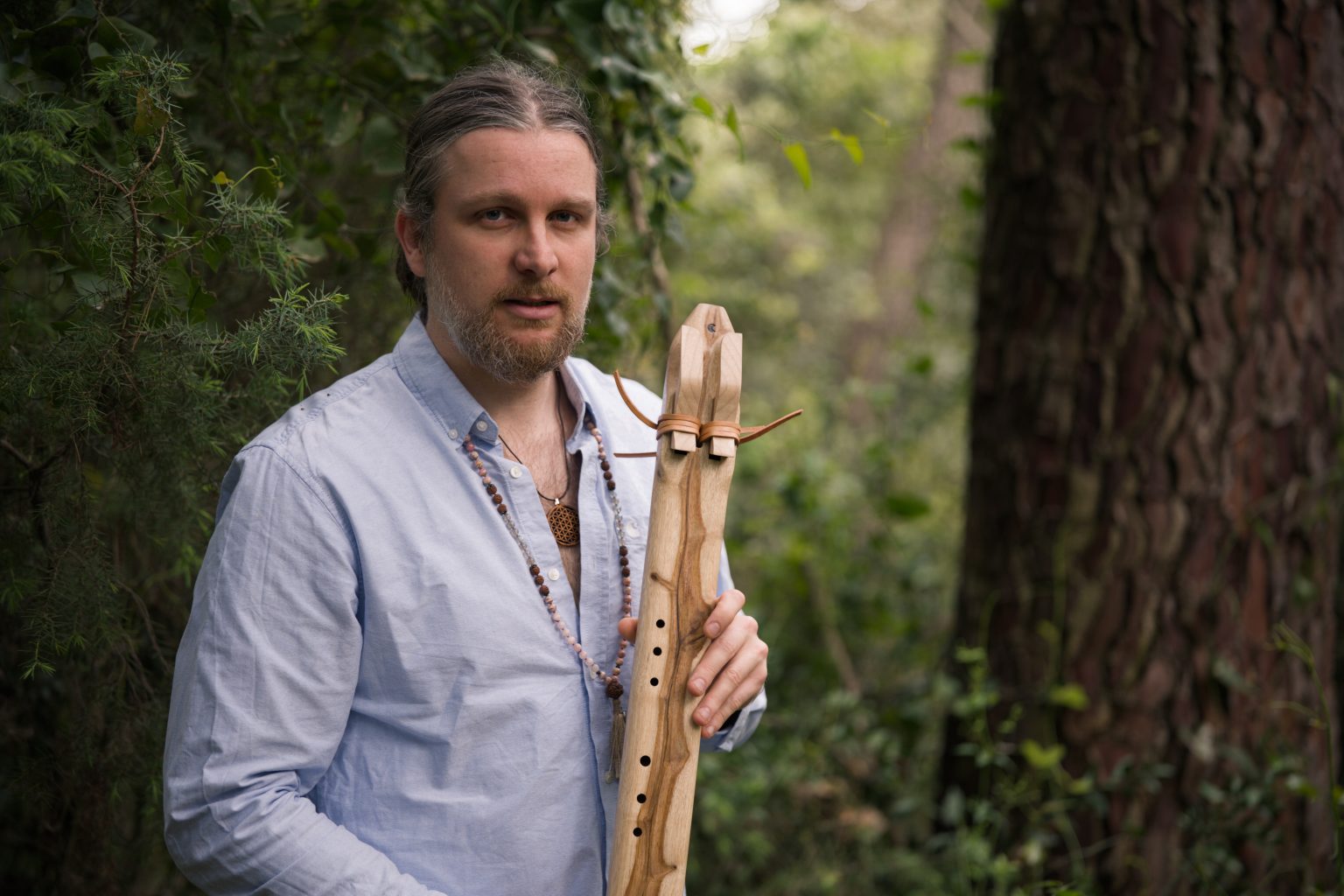
Reclaimed wood and chosen woods
Where my woods come from
My woods come from two sources: reclaimed wood that has already lived a life, and beautiful woods that I choose and buy for their color, their grain and their sound.
Each board is chosen for its voice as much as for its beauty.
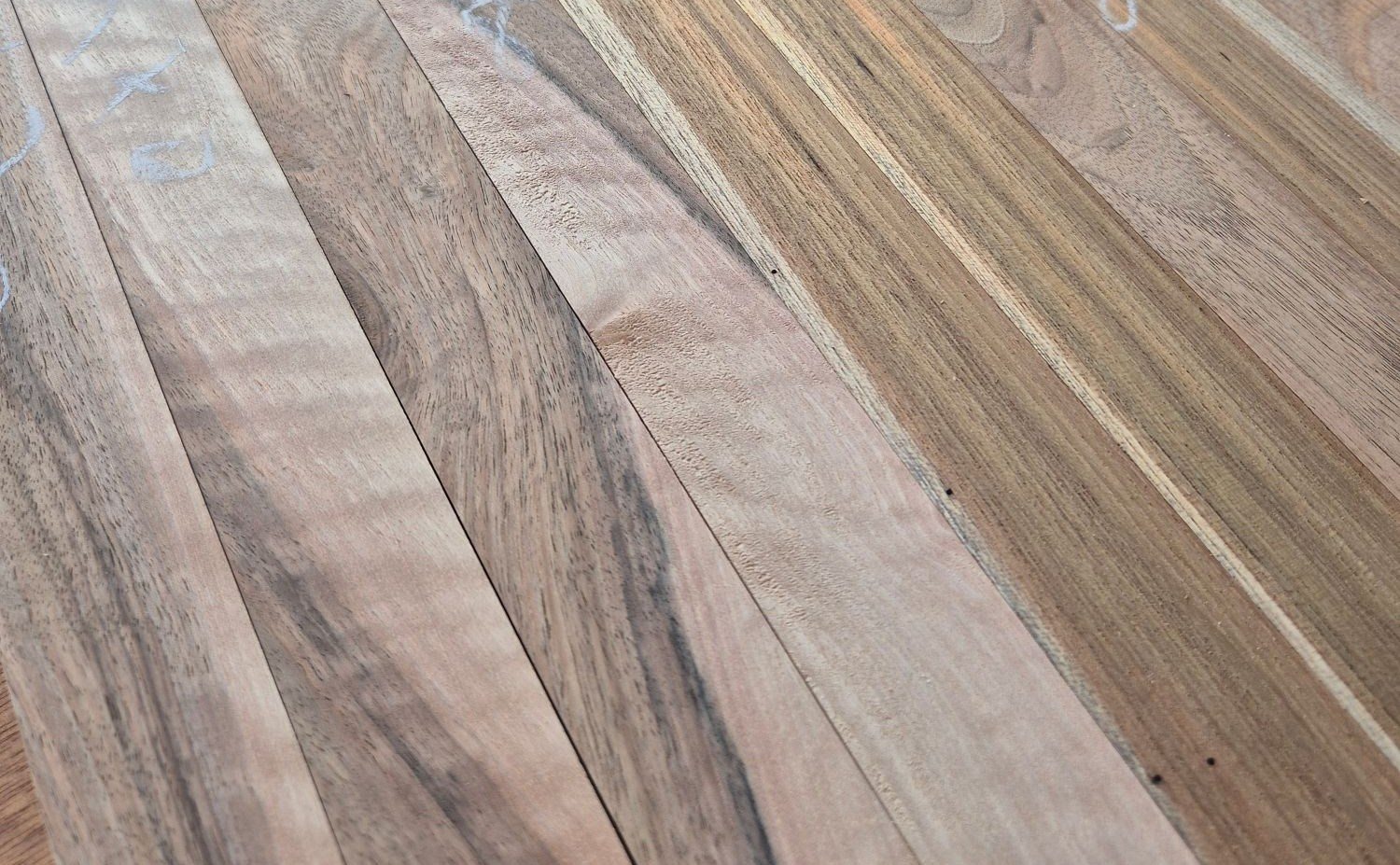
A large share of my flutes
Reclaimed wood
Old furniture, such as sheesham and mango table legs, and decking boards that I take apart and rework. These woods have already dried for a long time: they’re stable, dense, and their grain has a rare depth.
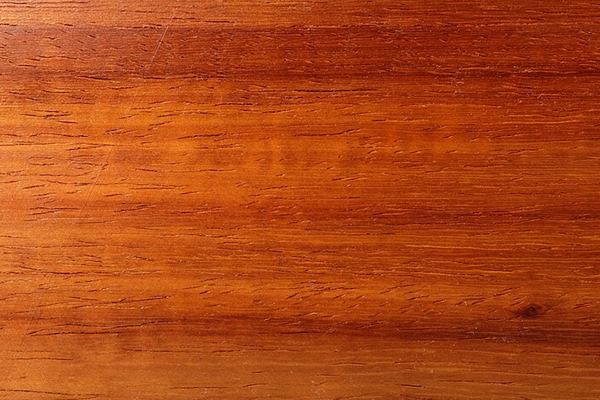
For their color, their grain and their sound
Beautiful chosen woods
Boards I buy one by one: walnut, padauk, maple, rosewood, and rare species for touches of color.
Origin, symbol and voice
Every wood has its story
Where each species comes from, what it symbolizes, and how it sings in a flute.
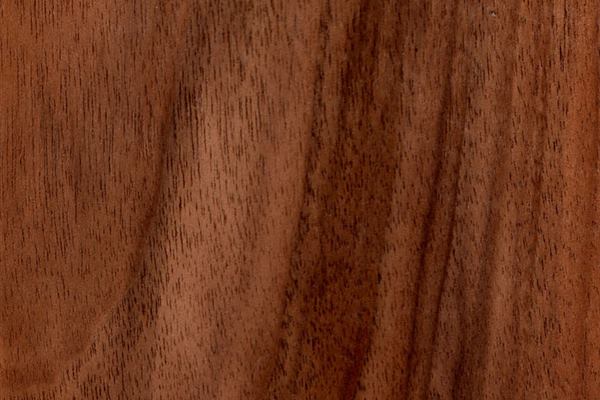
Walnut
A tree from Europe and Asia, grown in France since Antiquity, from the Périgord to the Dauphiné.
Its nut, shaped like a brain, has made it a symbol of wisdom and clarity of mind.
A medium-hard wood, highly prized in instrument making: its voice is warm, round and balanced.
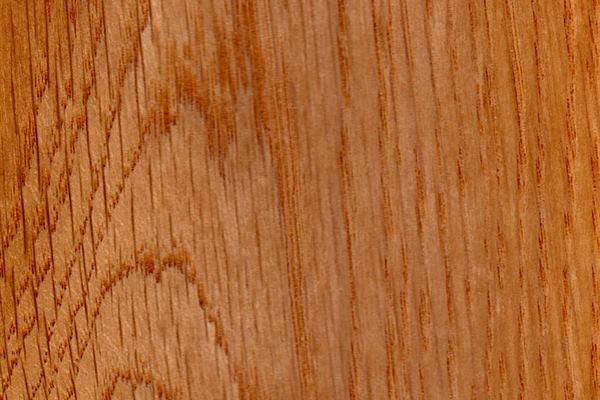
Oak
The emblematic tree of French forests, which can live for several centuries.
A sacred tree of the druids, it symbolizes strength, stability and longevity.
Dense and lively, it gives a frank voice, with body.

Padauk
An exotic wood from Central Africa, notably Gabon. Rated use class 4, it’s so durable that it’s used for decking boards: I often reclaim it, a high-end wood that comes back to life as a flute. Its orange-red darkens over time, and can turn gray if left in the sun for long.
In Central Africa, its red powder, tukula, has been used for centuries in rituals and body care: a wood associated with vitality and strength.
Dense and resonant, it is also used for marimba bars: its voice is clear and singing.
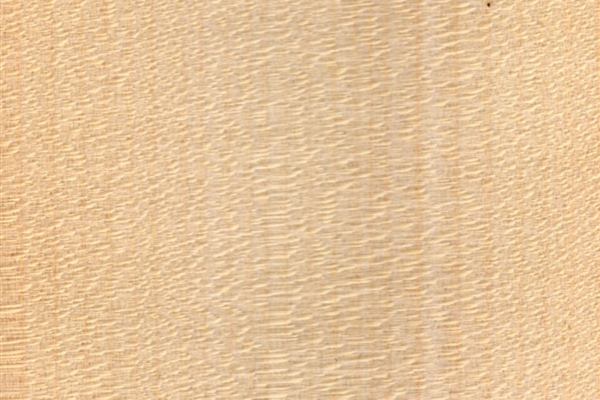
Maple
A tree of the forests of Europe and North America, and the king of tonewoods: the backs of violins are made of maple.
It is associated with balance and gentleness; its leaf is the emblem of Canada.
Its voice is clear and precise.
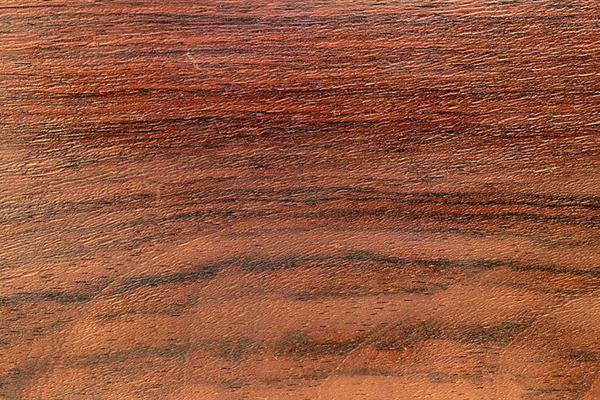
Rosewood
A name given to several precious tropical woods of the palisander family, with a light scent of roses.
A wood for cabinetmakers and instrument makers, it is associated with gentleness and love, like its name.
Its voice is warm, rich and silky.
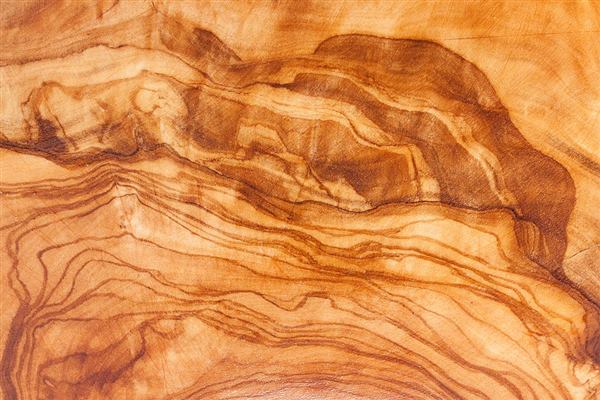
Olive wood
The tree of the Mediterranean, grown in Provence since Antiquity.
A symbol of peace, wisdom and longevity: some olive trees are over a thousand years old.
Dense, it gives a soft, warm voice, with spectacular grain.
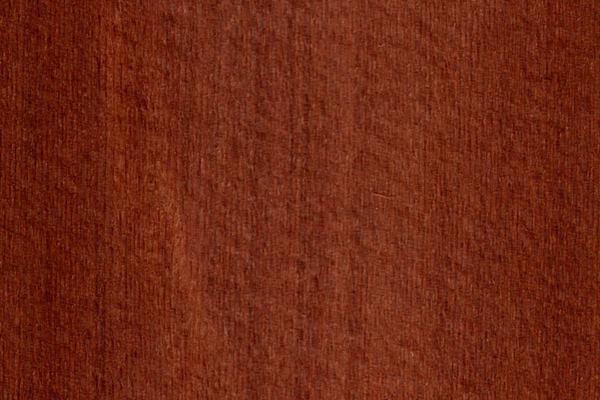
Sequoia
A giant from California, introduced to Europe in the 19th century. In the United States, it’s a classic wood for Native American style flutes.
Among the tallest and oldest trees in the world, it symbolizes longevity, patience and greatness.
Light, it gives a soft, enveloping voice.
Sheesham
Indian rosewood, a hardwood from India and Nepal, widely used in furniture. Mine come from old furniture.
A sturdy tree, planted for its shade and strength, it is associated with endurance.
Dense, it gives a warm, deep voice.
Mango
A tree from India and South Asia, grown for its fruit, whose wood is then used for furniture. Mine come from old furniture.
A sacred tree in India, it symbolizes love and prosperity: its leaves adorn doorways on feast days.
Its voice is soft and warm.
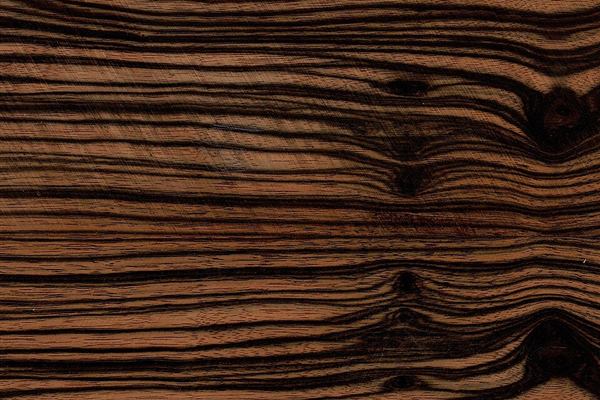
Mouthpiece
Ebony
A black wood from Africa and Asia, among the densest in the world: violin fingerboards are made of it.
It is associated with protection and inner strength.
I use it as a touch of color, on the mouthpiece: smooth, hard and durable.
Mouthpiece
Bocote
A wood from Central America and Mexico, with highly contrasting grain.
Its swirling, flame-like veins make it a wood of character.
I use it as a touch of color, on the mouthpiece.
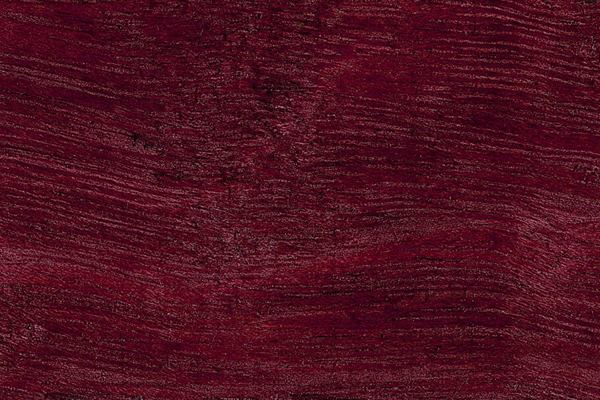
Mouthpiece
Purpleheart
A purple wood from the Amazon and Guiana, a rare color in nature, which deepens and then slowly browns in the light.
Its French name, amarante, comes from the Greek amarantos, “unfading”: a symbol of immortality.
I use it as a touch of color, on the mouthpiece.
Mouthpiece
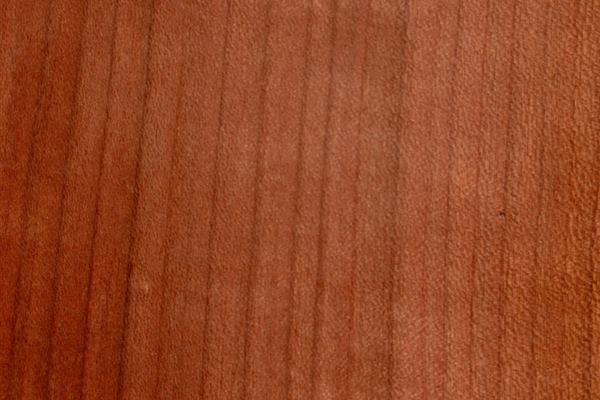
Cherry
A fruit tree of Europe, with pinkish wood that turns golden over time.
In Japan, its blossom, sakura, celebrates renewal and the beauty of the moment.
I mainly use it as a touch of color, on the mouthpiece.
Craftsmanship
From board to first note
Each flute is born in the workshop in eight steps, between precision machines and handwork.
It takes time between choosing the wood and the first note: the glue must set, the tuning is checked the next day, and the finish dries for seven days, longer for an oiled flute.
All my workshop videos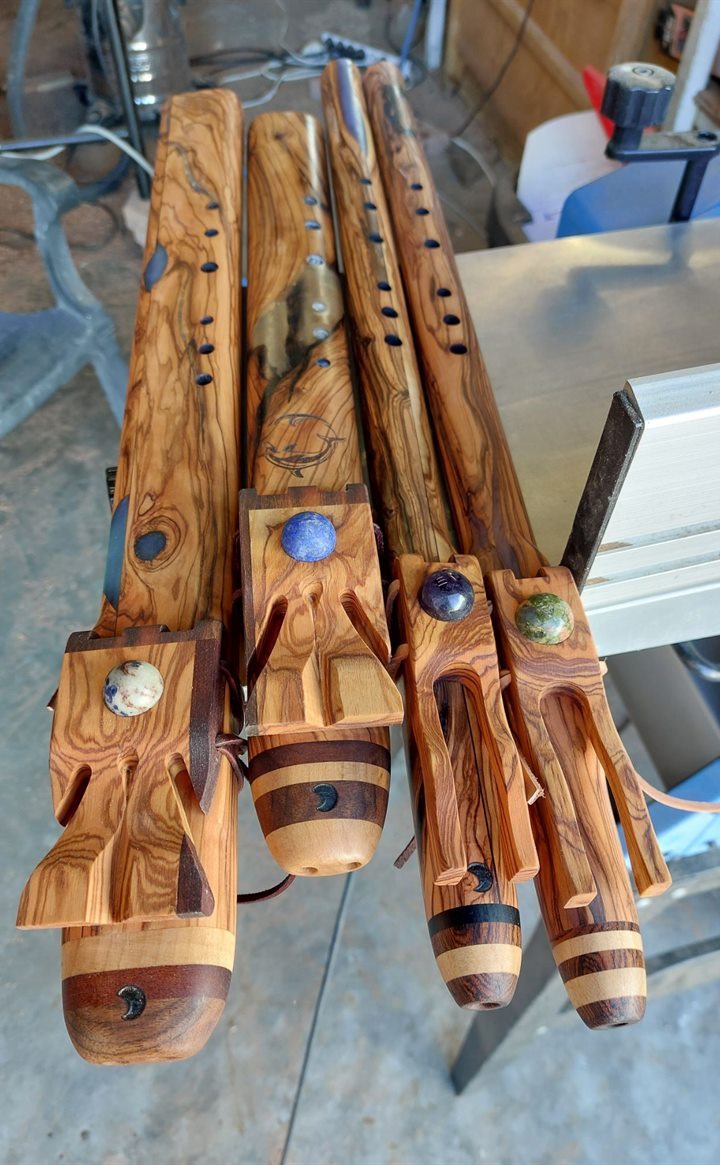
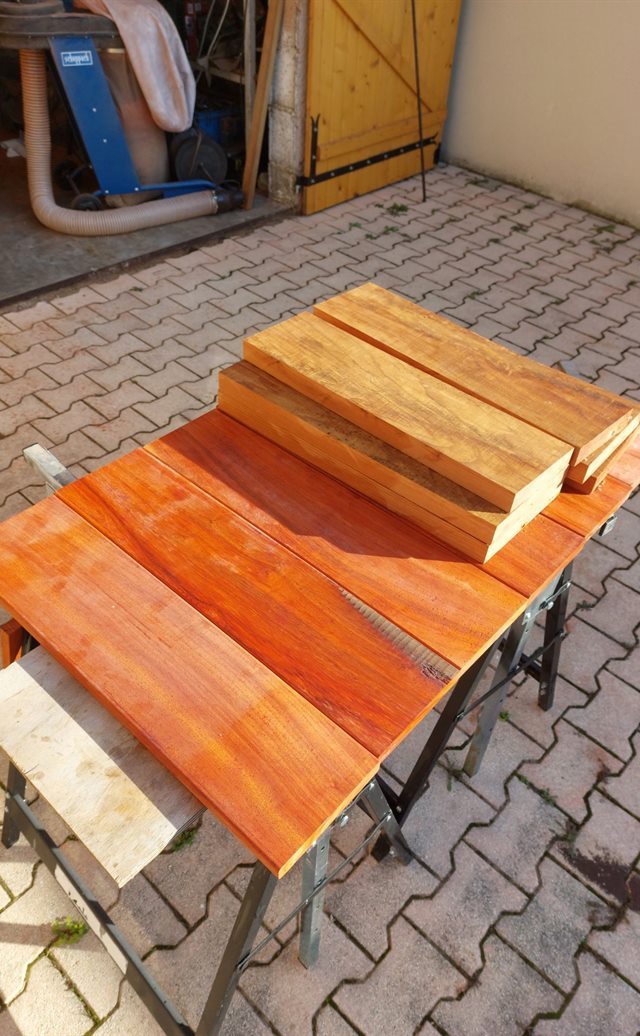 Choosing the woodOld furniture taken apart, decking boards or beautiful bought boards: I choose each wood for its density and grain.
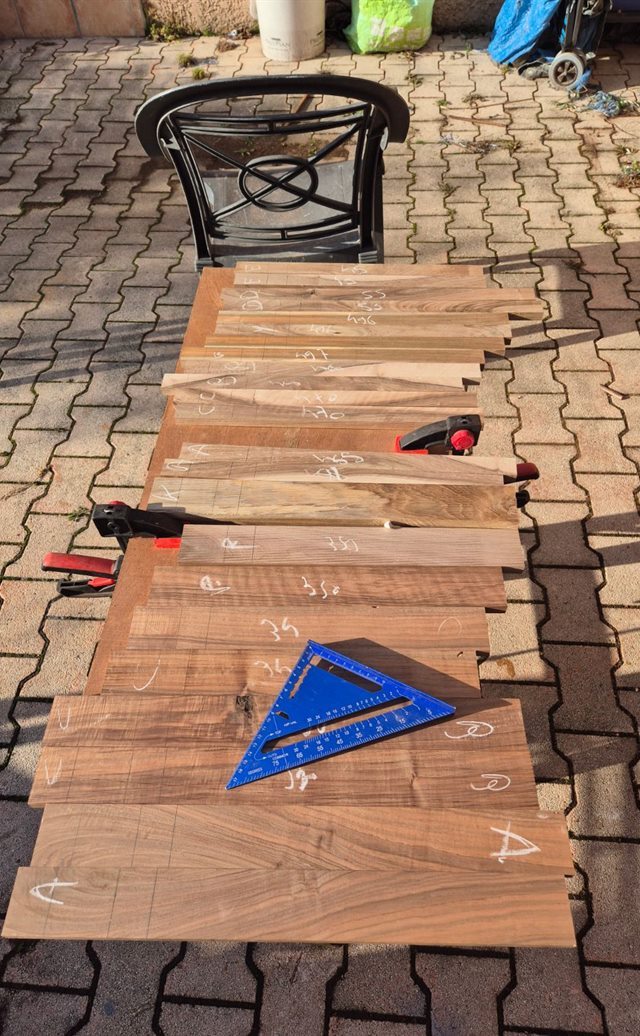 Planing and marking outI flatten and plane each board to the right thickness and width, then mark out the channels and the place for the sound hole.
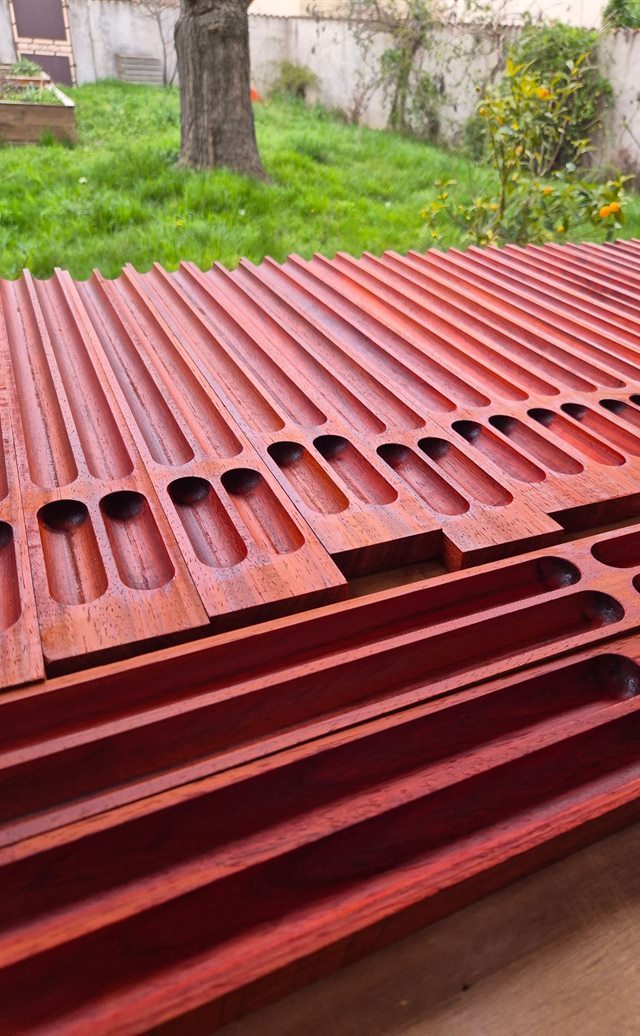 Hollowing and cutting the sound holeOn the router table, a half-round bit hollows each half: 19 mm for high flutes, 22 mm for mid-range, 25.4 mm for low. I varnish the inside, then cut the sound hole.
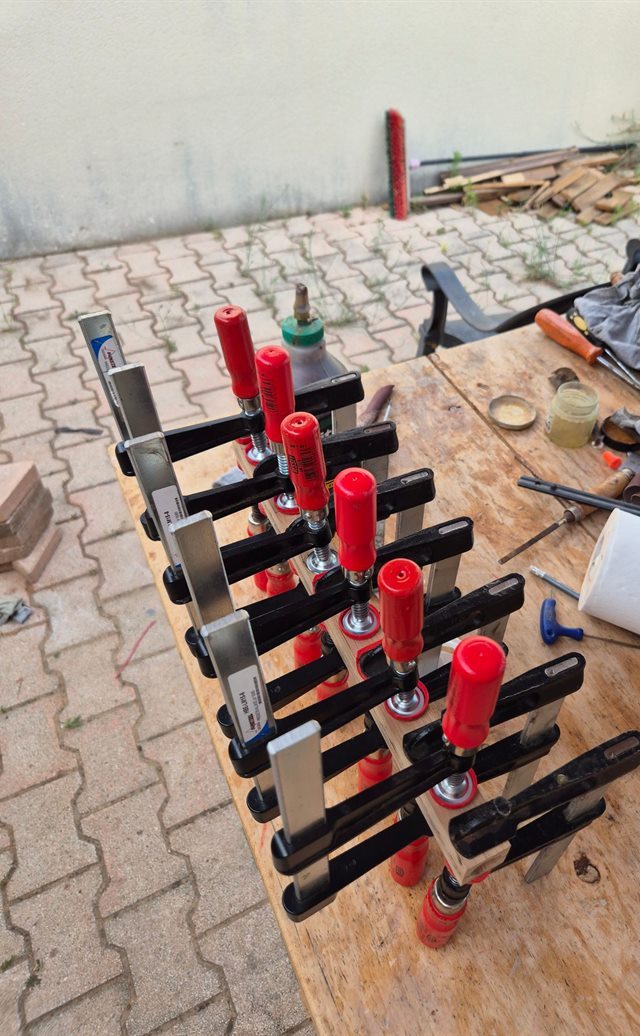 Gluing and roundingThe two halves are glued and clamped tight. I burn the mouthpiece holes so they stay stable, then a quarter-round bit makes the flute round.
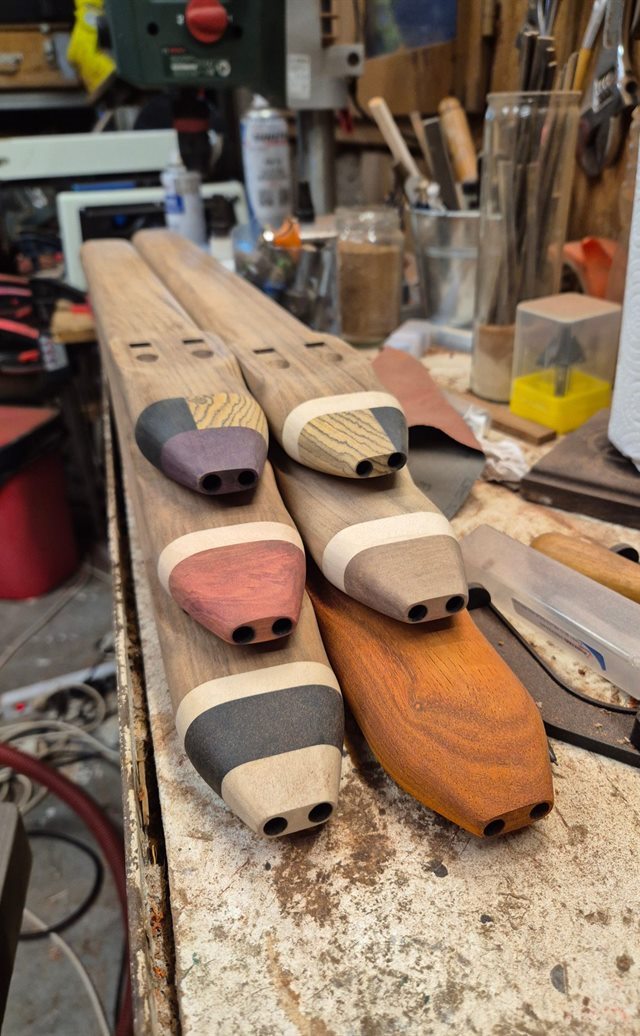 Refining the mouthpieceOn the band saw, I refine the mouthpiece so it’s slim and easy to play, then smooth every curve. Then come the engraved moon and my logo.
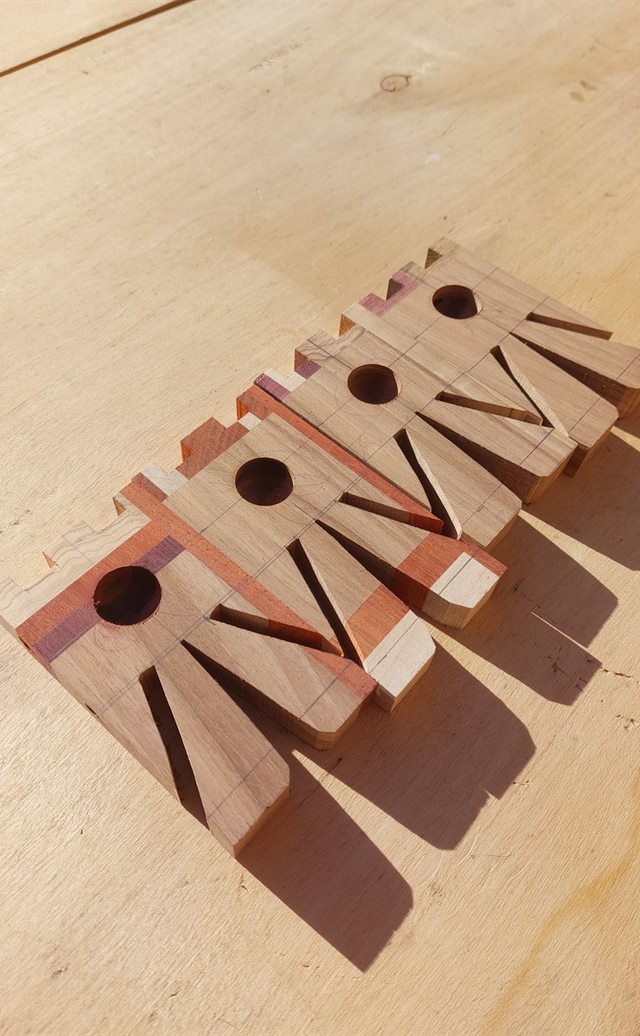 Carving the totemFrom raw wood, following the grain, I cut out the wings and notches, and hollow out the place for the natural stone and the lace.
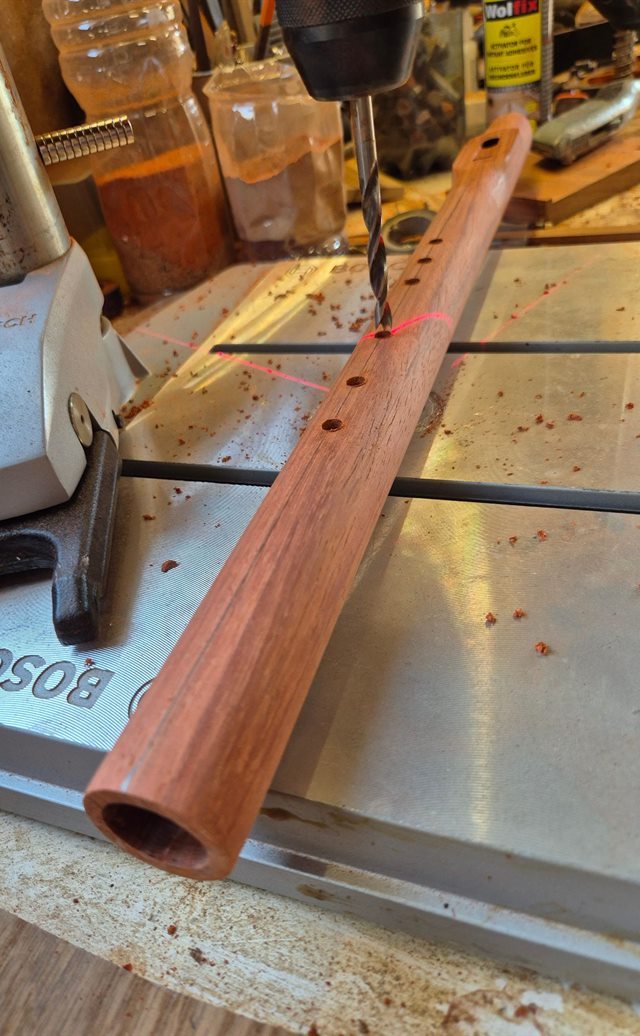 TuningWith the totem in place, I shorten the flute to the desired note, then drill small holes that I enlarge note by note. I check the tuning the next day, at 22 °C.
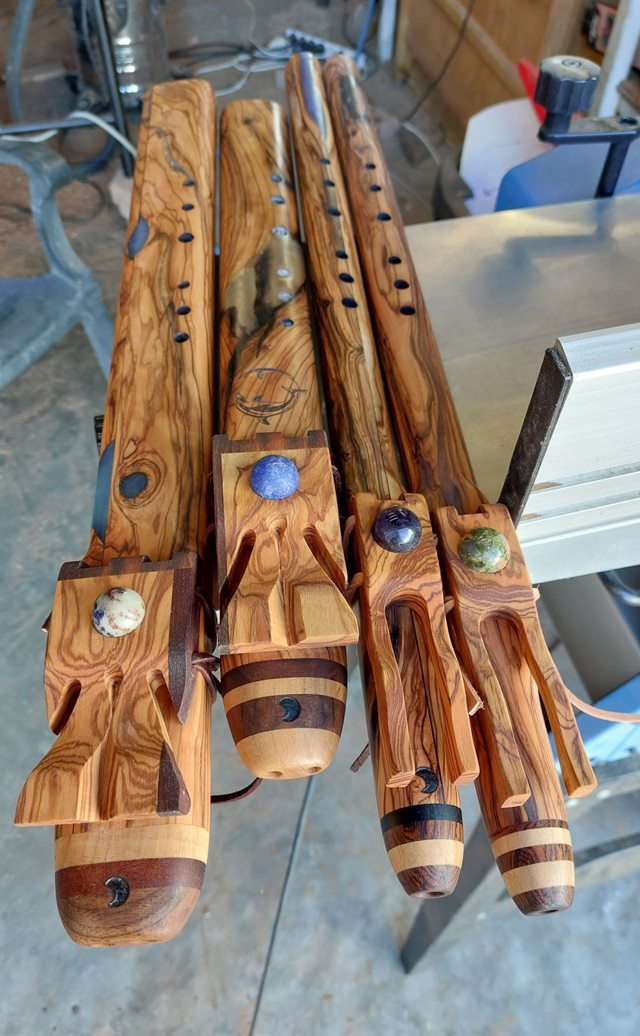 Finishing and assemblingI re-varnish the inside, laser-engrave if needed, sand finely, then varnish or oil. I lace the totem and check the tuning one last time.
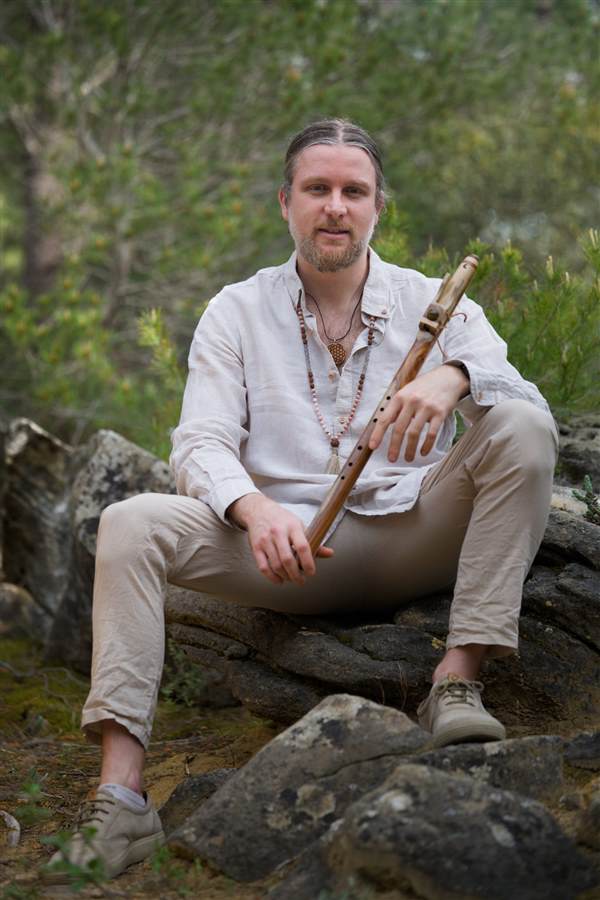
The maker
Kévin Truc, Native American style flute maker
I wasn’t a musician when I discovered the Native American flute. Its simplicity and its sound won me over: it gives access to music from the very first breath, without music theory. I started making them in 2021, self-taught, and opened Conscience Unitaire in May 2023, a craft business making musical instruments. It took me three good years to refine my skills and feel fully confident in my flutes, and I keep improving with each new creation.
I’m passionate about creating because it never ends: every wood has its timbre, every flute size its voice, every drilling its scale, from meditative sounds to Eastern colors. So many worlds to explore.
I choose each wood for its voice as much as for its beauty, I match the stone to its colors, and I only let a flute go once it plays in tune. Each one is a unique piece, made to last.
Sharing this passion is part of the craft: I show every step of the making on Instagram, Facebook, TikTok and YouTube.
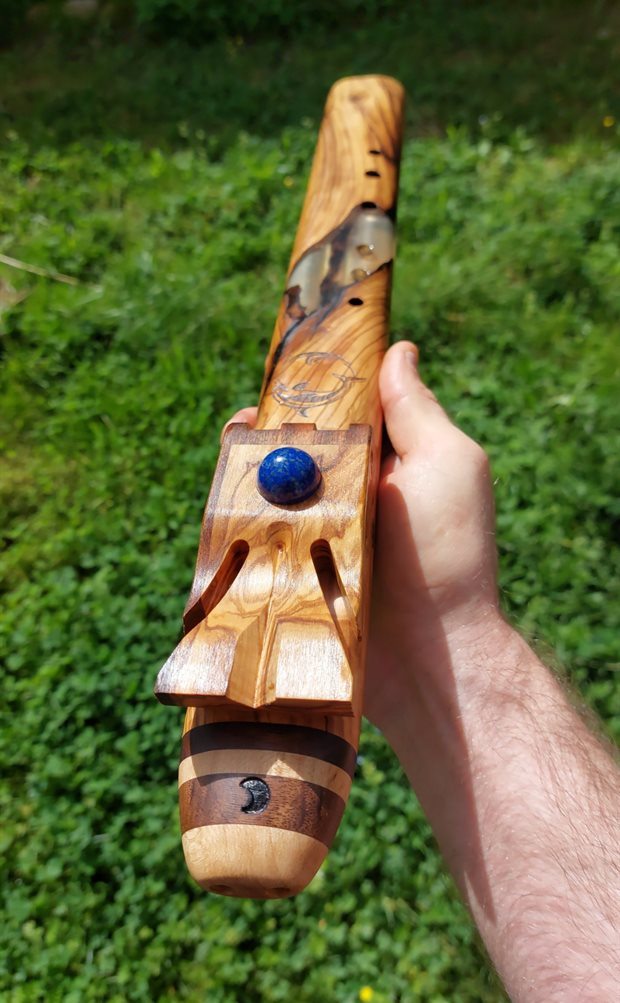
Flûte en olivier incrustée de résine, gravée de dauphins et ornée d’un lapis-lazuli
Olive wood, resin and lapis lazuli
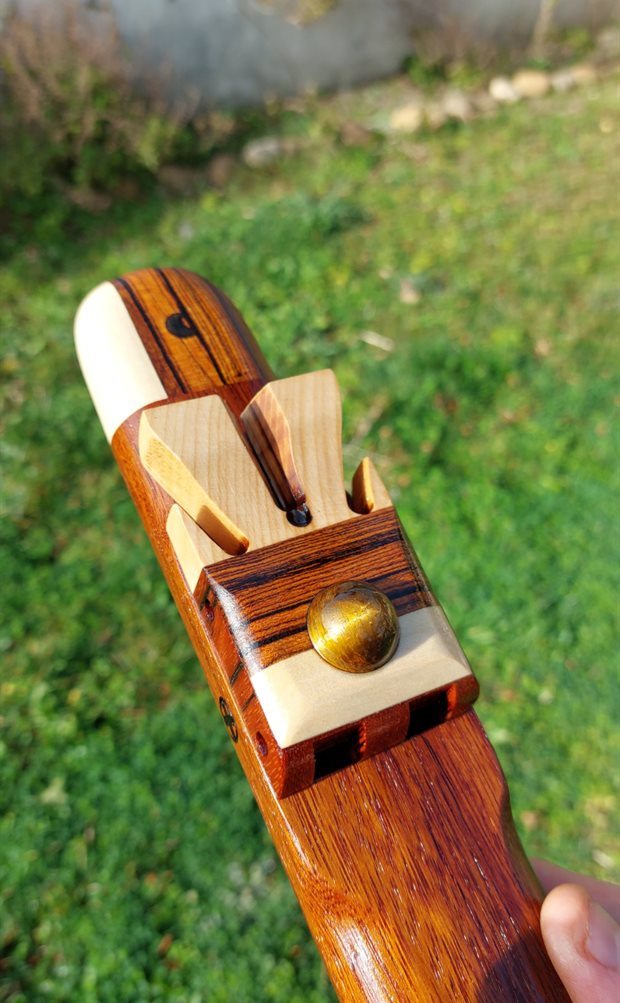
Totem en bocote et érable orné d’un œil de tigre
Bocote, maple and tiger’s eye
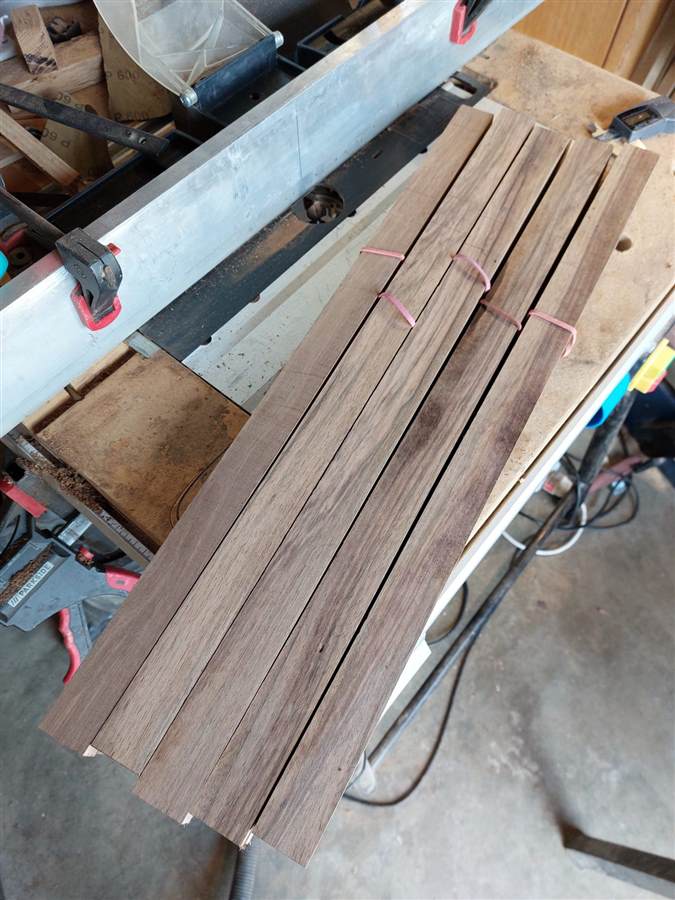
Lames de noyer prêtes à être travaillées
Walnut boards ready to work
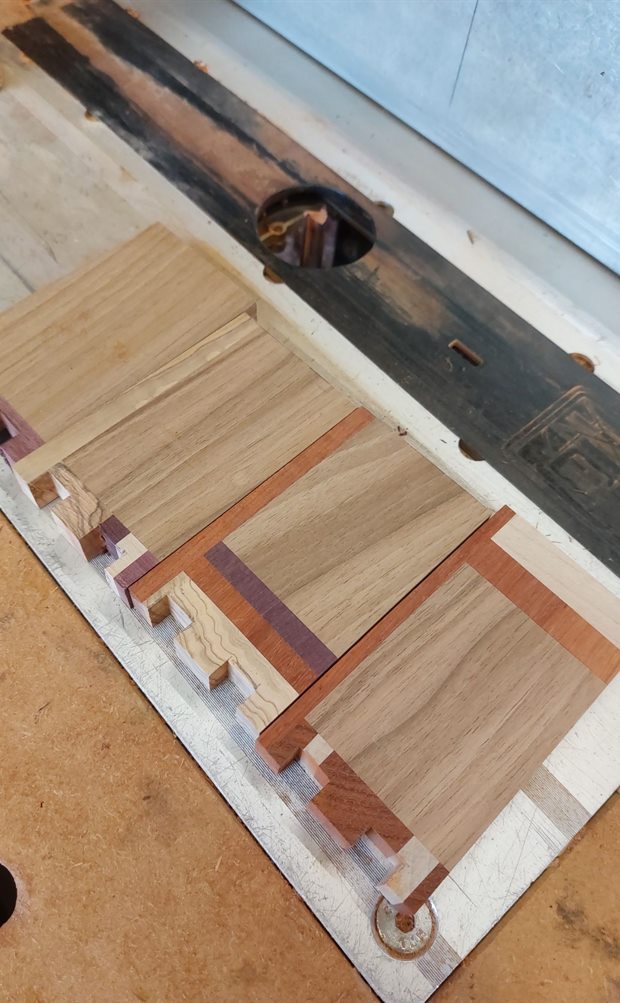
Bois de couleur collés pour les embouchures, sur la table de la défonceuse
Colored wood for the mouthpieces
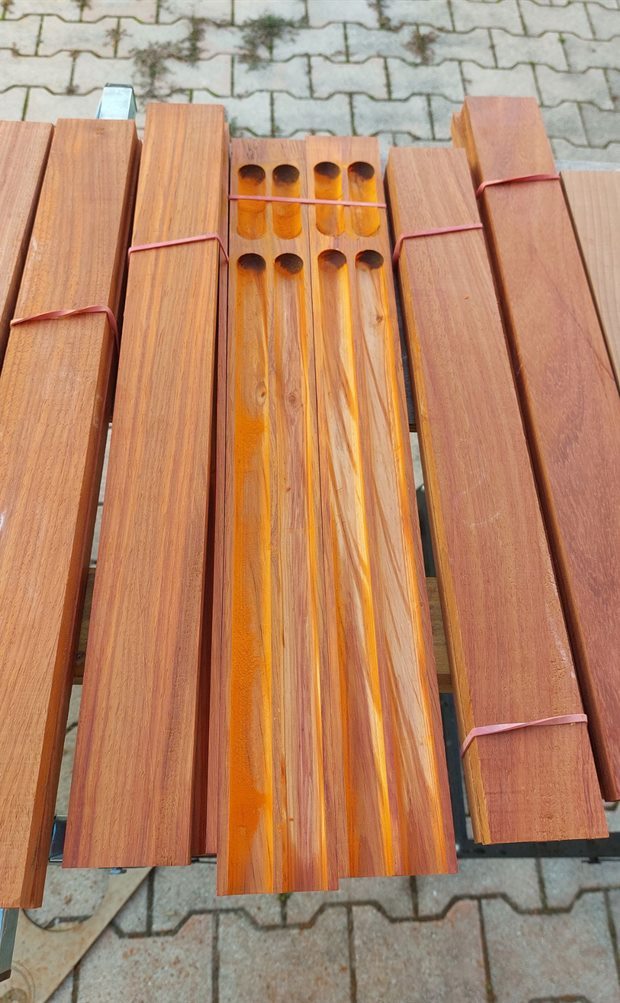
Moitiés de flûtes doubles en padouk, creusées
Padauk double flutes, hollowed out
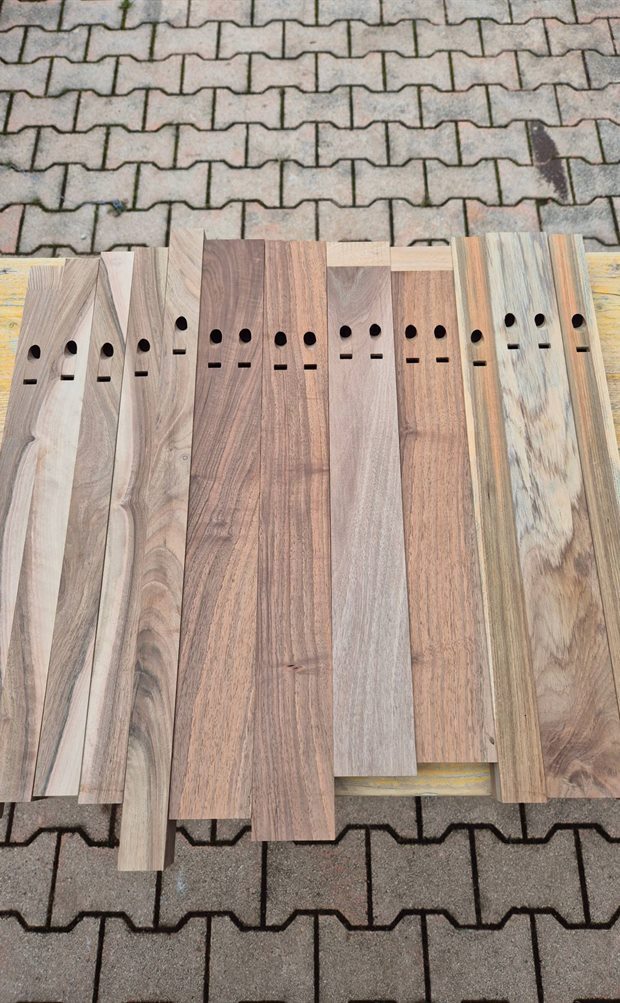
Moitiés de flûtes en noyer avec leur sifflet taillé
Sound holes cut in walnut
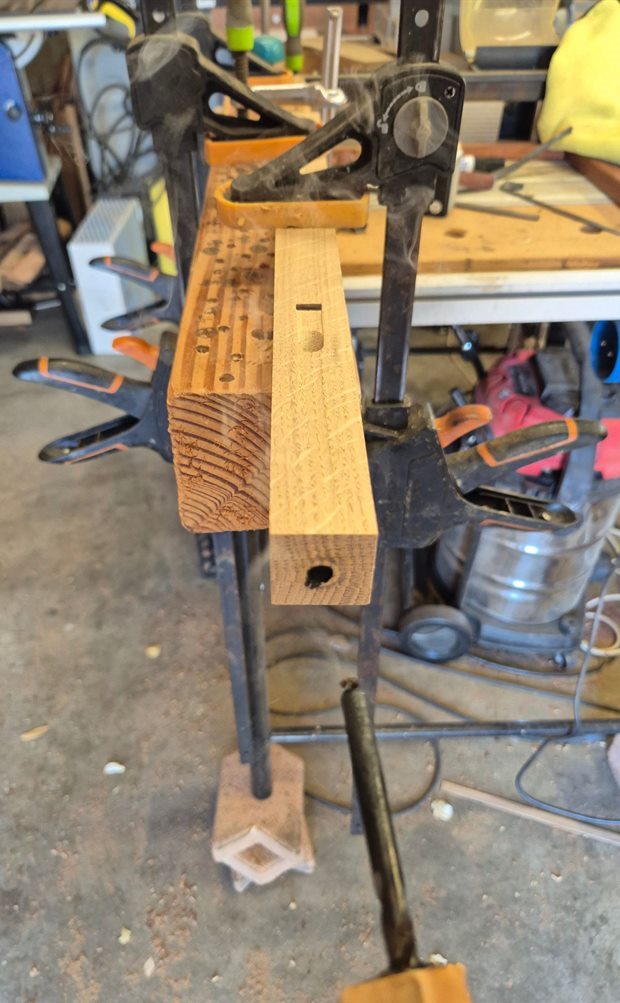
L’embouchure d’une flûte en chêne passée au fer chaud
The mouthpiece seared with a hot iron
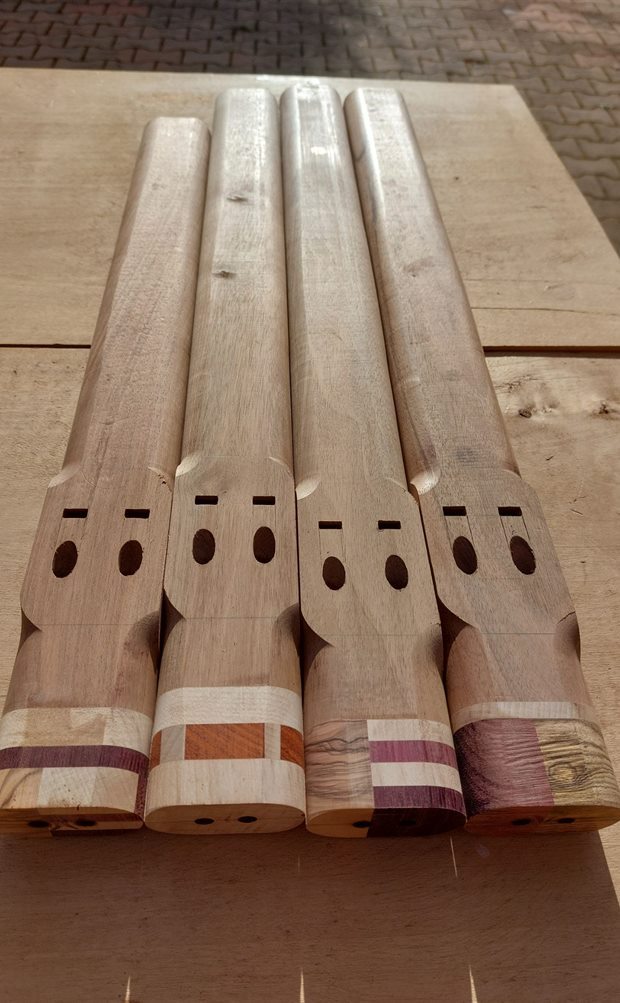
Quatre flûtes doubles arrondies, avant les finitions
Four double flutes, just rounded
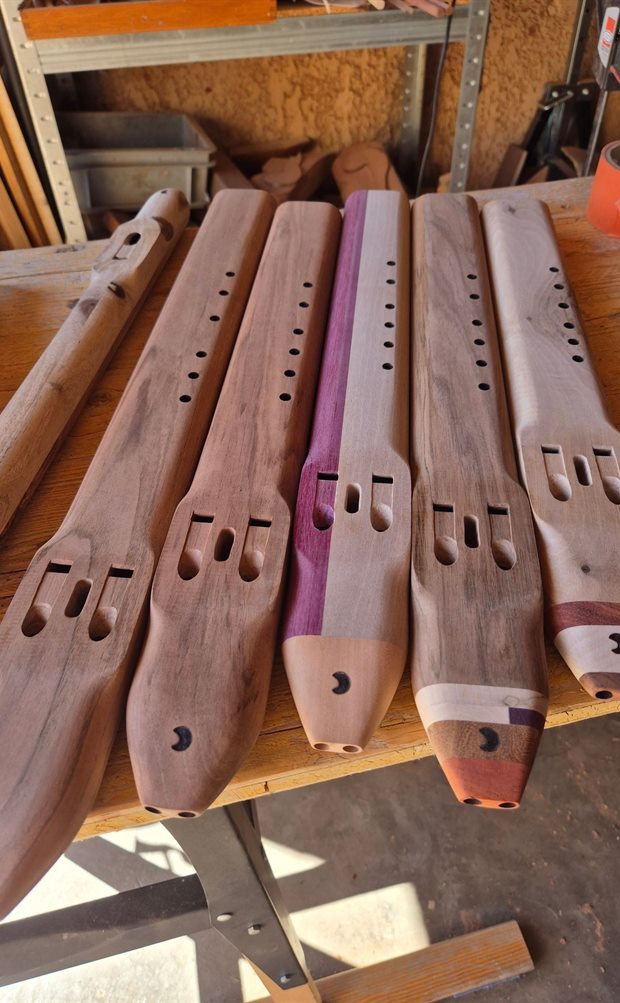
Flûtes percées avec leur lune gravée, avant les totems
Before the totems: the engraved moon
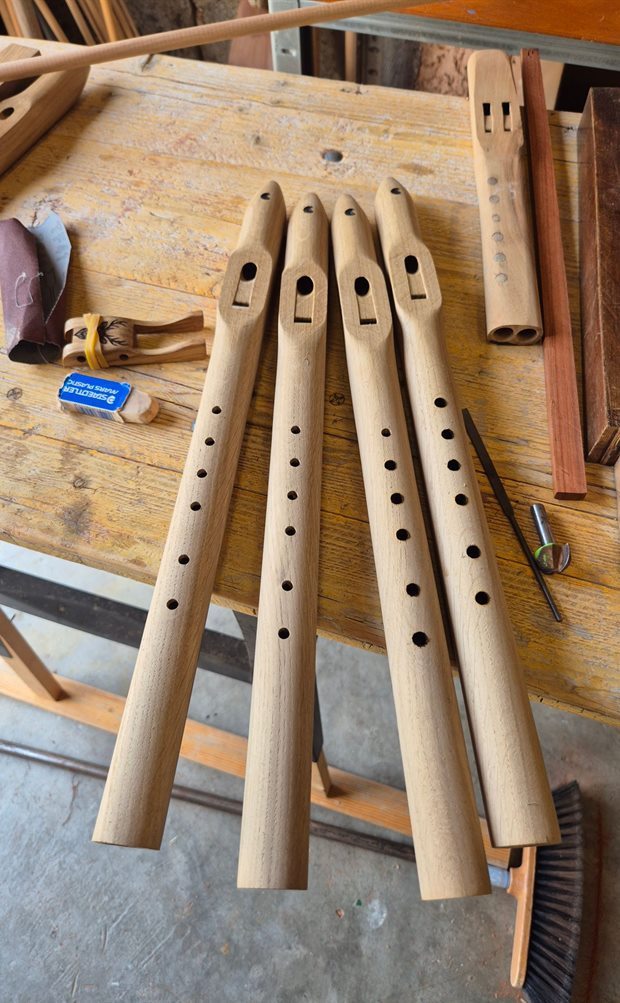
Quatre flûtes en chêne percées
Oak flutes, drilled
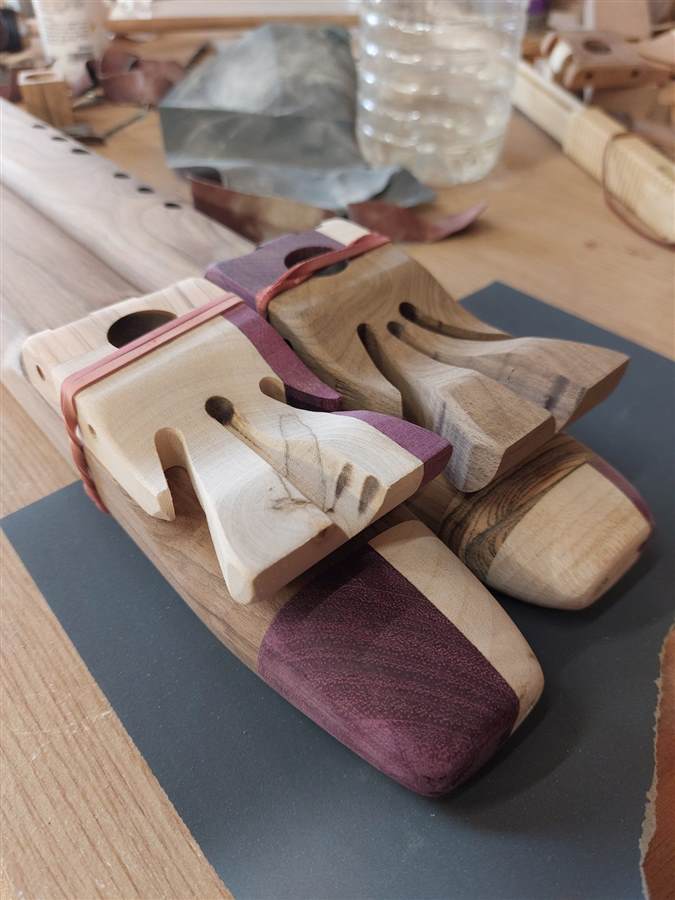
Totems and flute blocks being made, in maple and purpleheart
Totems in maple and purpleheart
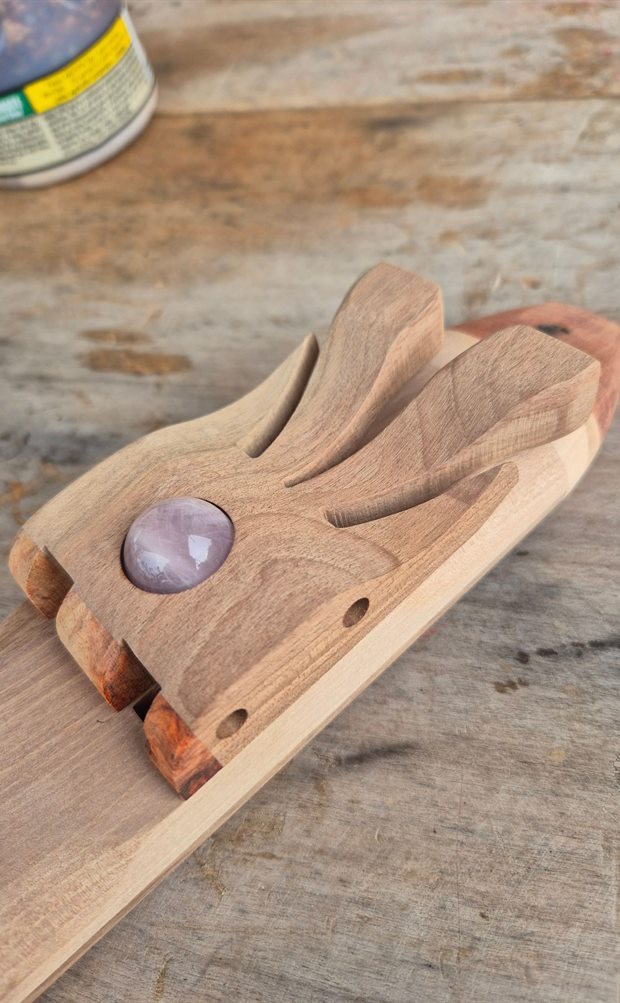
Un quartz rose serti dans un totem en noyer
A rose quartz in its totem
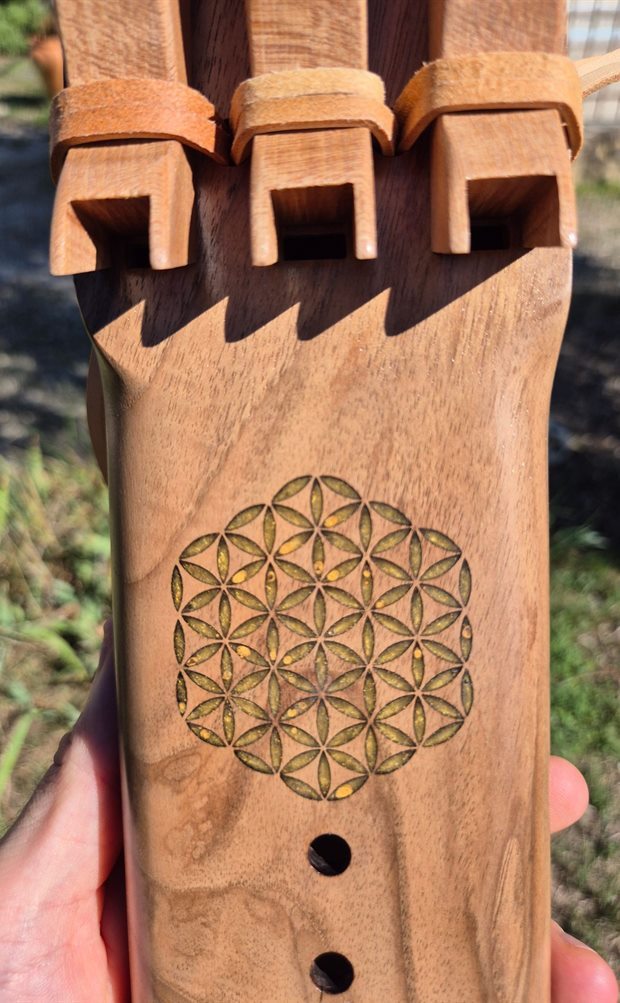
Fleur de vie gravée sur une flûte triple en noyer, remplie de résine et de pigment or
Flower of Life in resin and gold pigment
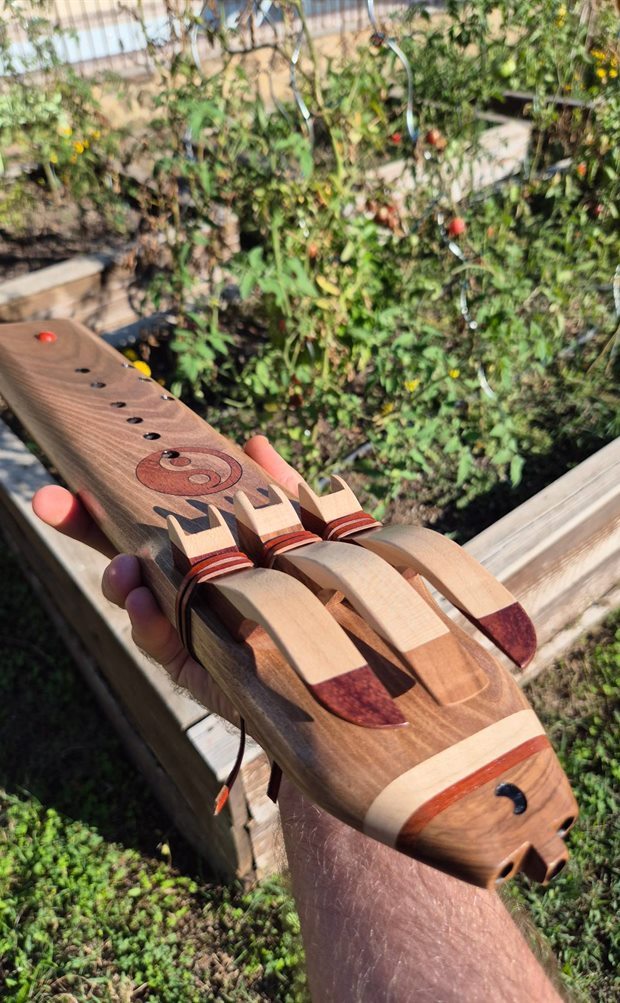
Symbole yin-yang incrusté en padouk sur une flûte triple en noyer
Yin-yang inlaid in padauk
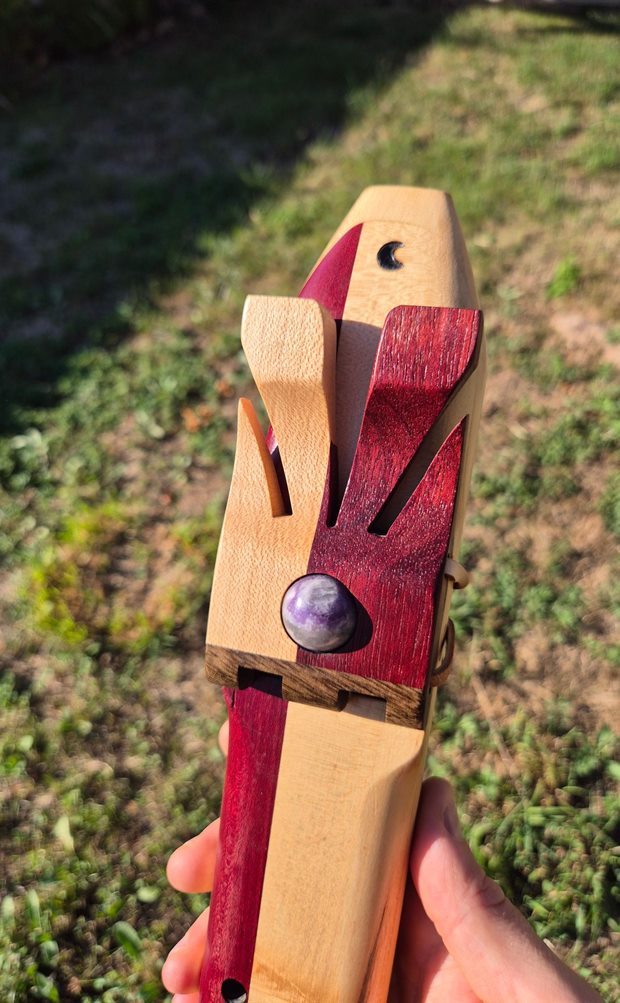
Améthyste sertie dans un totem en érable et amarante
Amethyst, maple and purpleheart
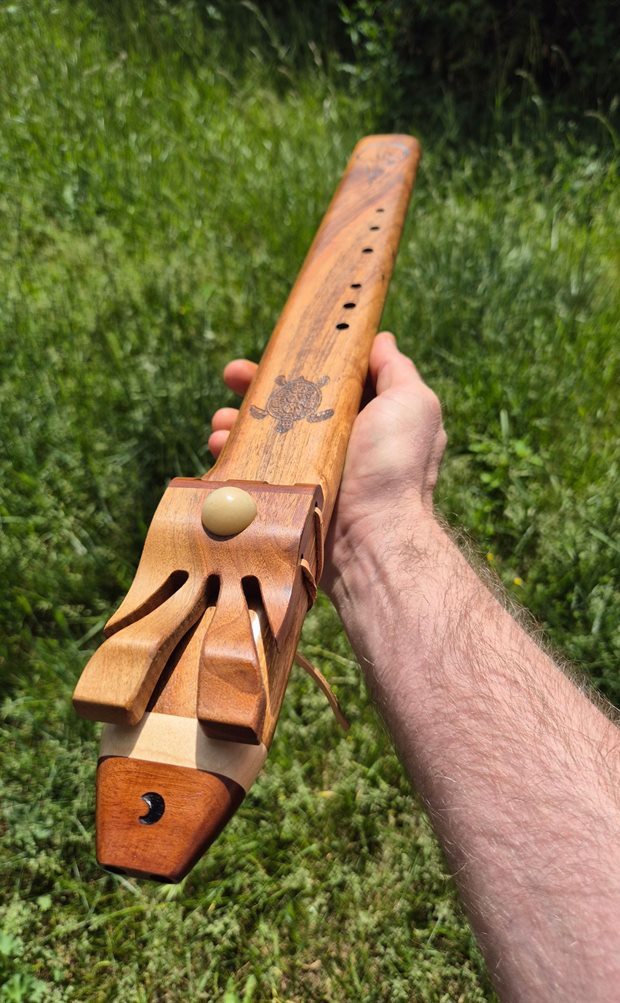
Tortue gravée sur le corps d’une flûte double
Engraved turtle
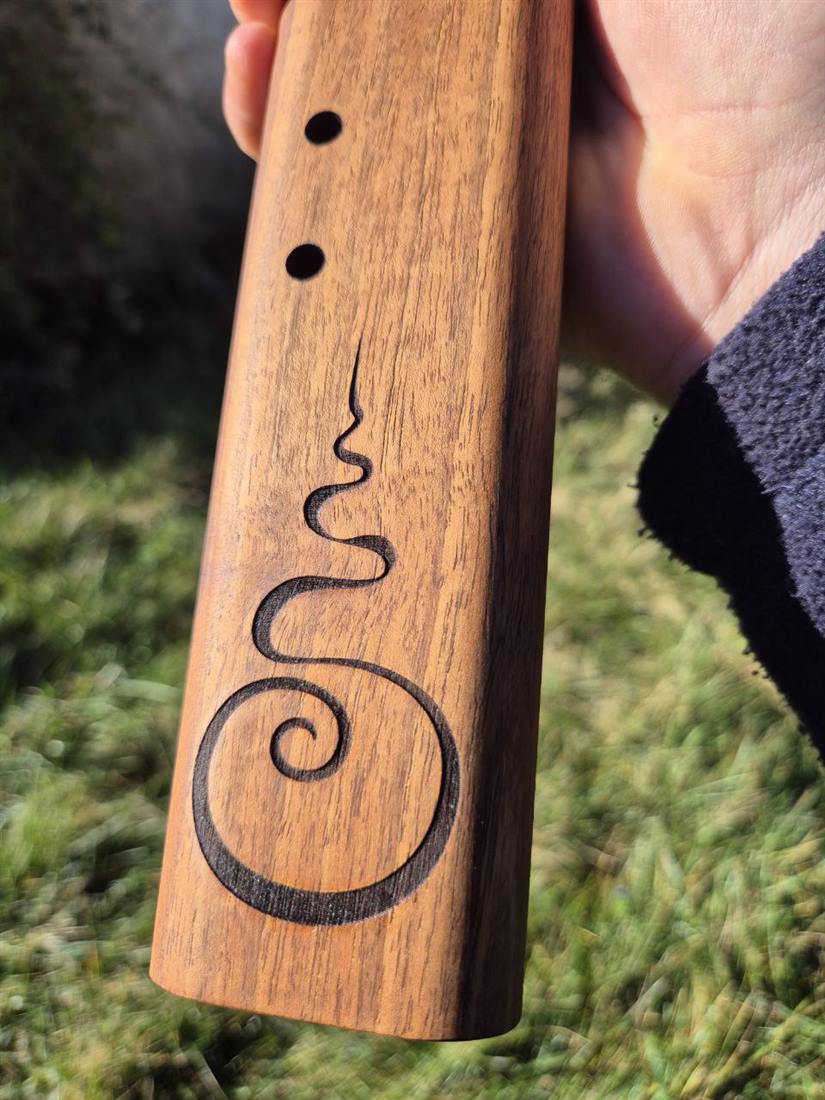
Flûte amérindienne double quartz blanc en noyer : spirale gravée sur le corps
Engraving of the spiral of life
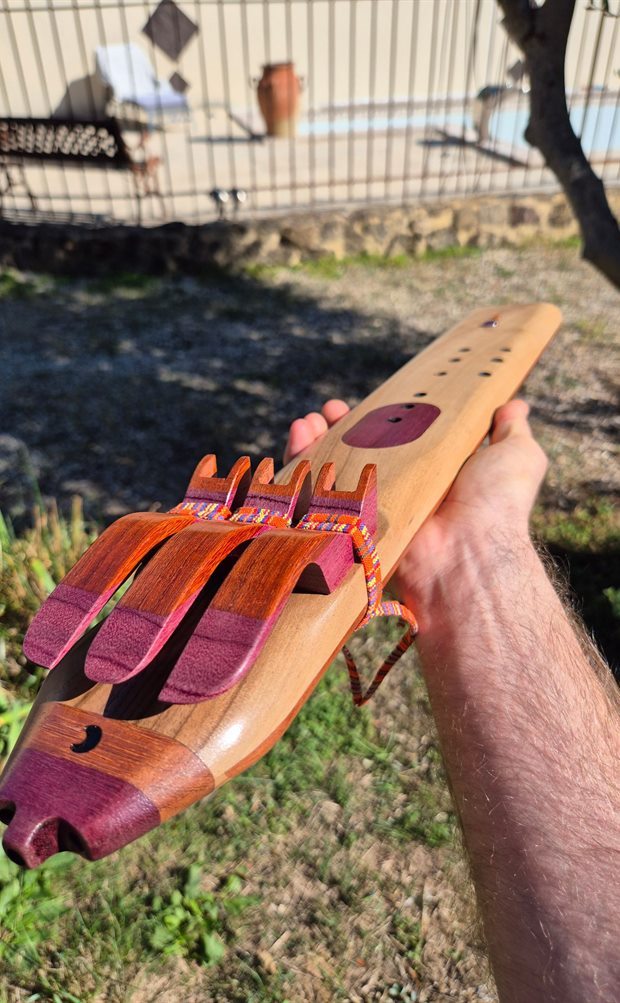
Totems d’une flûte triple en padouk et amarante
Totems in padauk and purpleheart
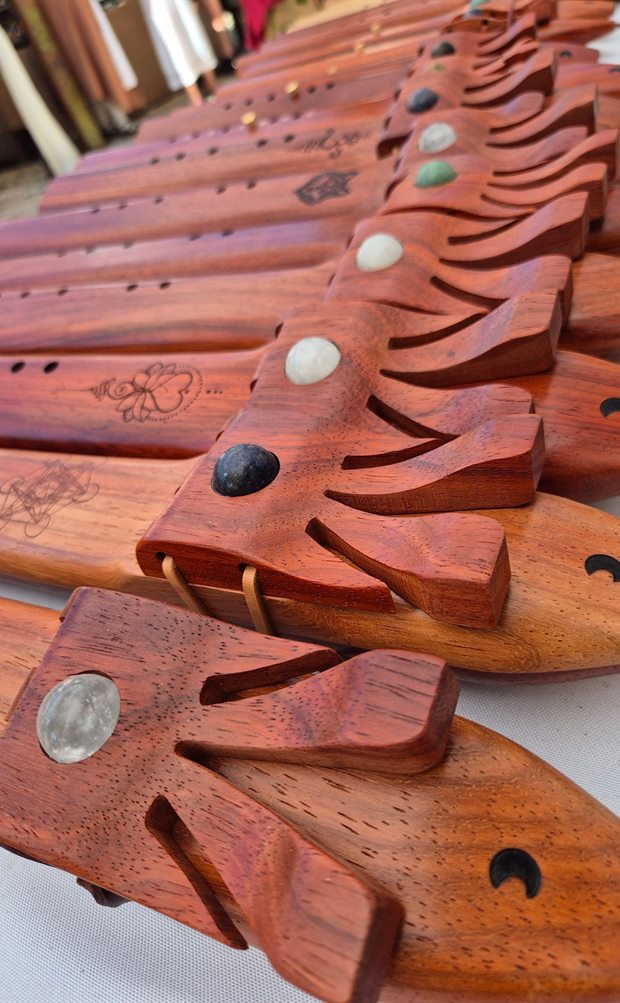
Une rangée de flûtes en padouk, chacune ornée d’une pierre
A family of padauk flutes
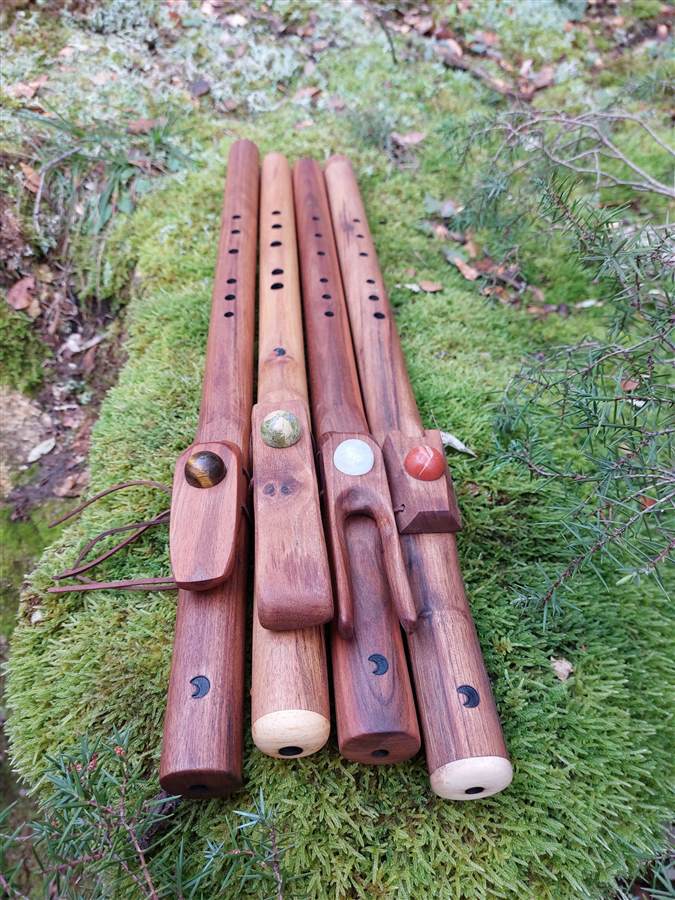
Quatre flûtes terminées posées sur la mousse
Finished flutes
Body woods
They give the flute its voice.




Touches of color
For the mouthpiece, the totems and the accent stripes.






And many other species depending on wood deliveries: beech, sheesham, mango, exotic woods…
The stones
Each flute is adorned with a stone, chosen to harmonize with its woods.
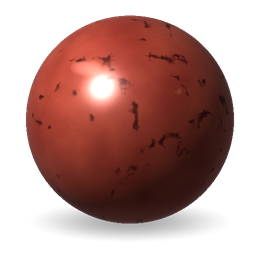 Red jasper
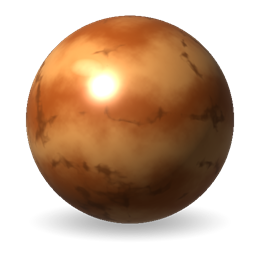 Orange jasper
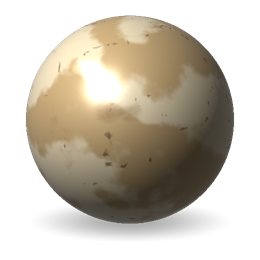 Sand jasper
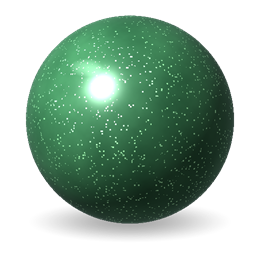 Aventurine
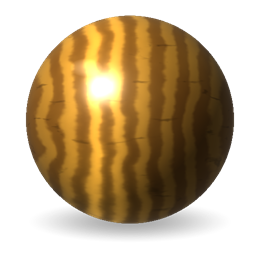 Tiger’s eye
 Sodalite
 Lapis lazuli
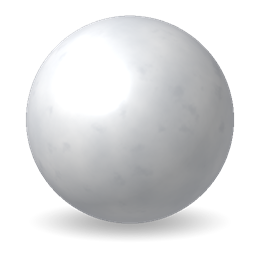 White quartz
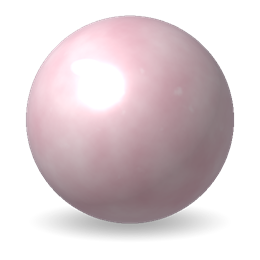 Rose quartz
 Amethyst
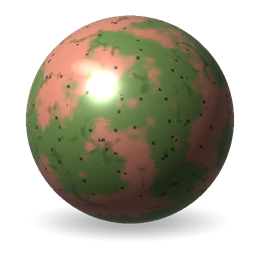 Unakite
Engravings
An engraved or inlaid symbol, to choose for a custom flute.



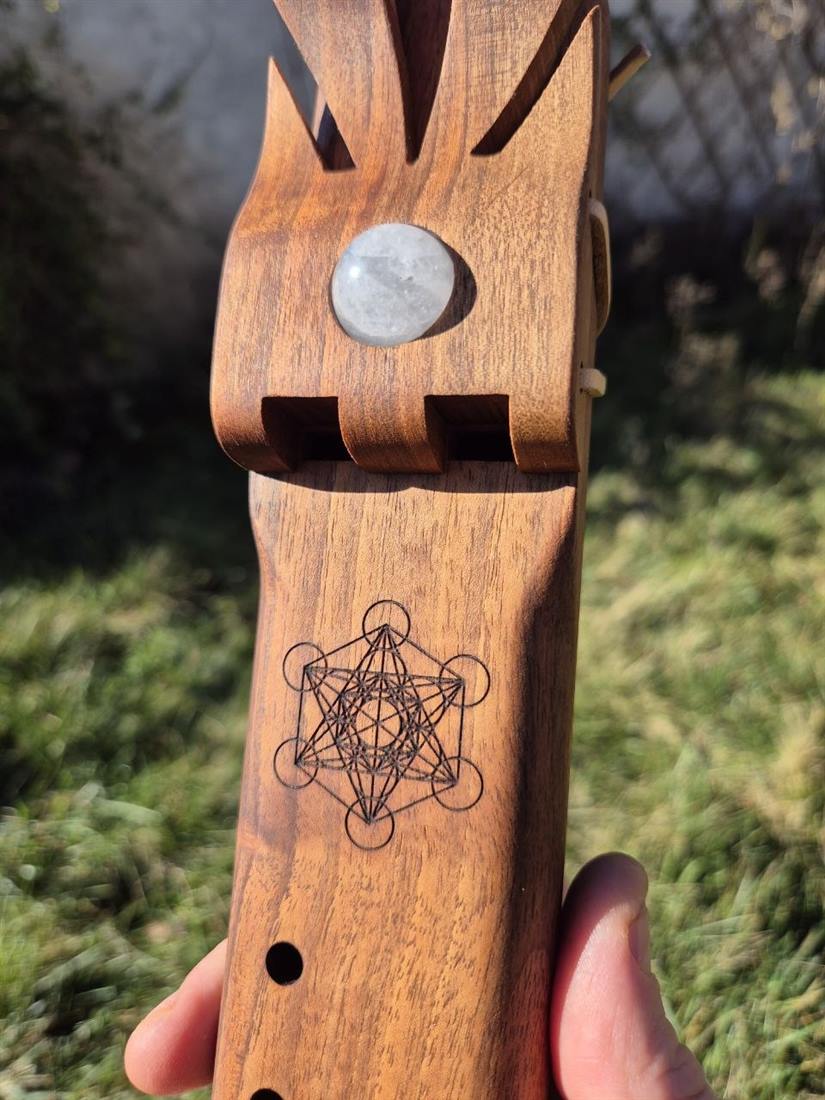
Come to the workshop
Camaret-sur-Aigues, 10 minutes from Orange
You can come and try the flutes at the workshop, by appointment only. The exact address is sent to you once the appointment is confirmed.
The workshop
Camaret-sur-Aigues
Vaucluse, 10 minutes from Orange. Visits by appointment only: the exact address is sent to you on confirmation.
Book a visitThe golden area shows the workshop’s sector, not its address. Distances as the crow flies.